AGP Executive Report
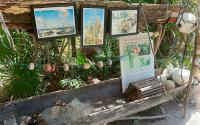
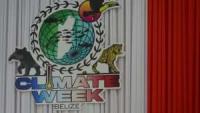
Last update: 10 hours agoSustainable Tourism Win: Eco-Museum Belize earned a Silver Award at the 2026 ICRT Responsible Tourism Awards for its “museum without walls” approach that teaches through living landscapes and local custodianship. Climate Week Push: Belize opened its Fifth National Climate Week in Punta Gorda with a parade and events on forests, agriculture, and “blue spaces,” tying climate action to policy and everyday resilience. Marine Conservation: Belize’s Government and the Turneffe Atoll Trust signed an agreement permanently protecting about 17,000 acres of Government-owned land at Turneffe, safeguarding mangroves and the reef-linked livelihoods they support. Power Reliability & Costs: After a countrywide blackout, BEL warned more load shedding may follow limited generation and seasonal constraints; the UDP is calling for targeted electricity relief and warns about the wider burden on households. Weather Watch: A tropical wave is bringing moist, unstable conditions with cloudy skies and a medium chance of showers and isolated thunderstorms, mainly affecting coastal areas and the south. Agriculture Resilience: Belize’s livestock and feed sector is set to benefit from a US$1.11M CARICOM Development Fund grant, while farmers in the Belize River Valley received training to boost root-and-tuber production and climate-resilient practices. El Niño Alert (Regional): Caribbean partners are urging preparation for hotter, drier conditions as El Niño strengthens, with risks to farming, water, health, energy, and tourism.
Note: AI summary from news headlines; neutral sources weighted more to help reduce bias in the result. Feedback is welcome. Please let us know if you have any comments or suggestions about the AGP Executive Report.

 Perspectify News